-
216-524-4544
|
info@three-z.com
|
 |
|
 |
|

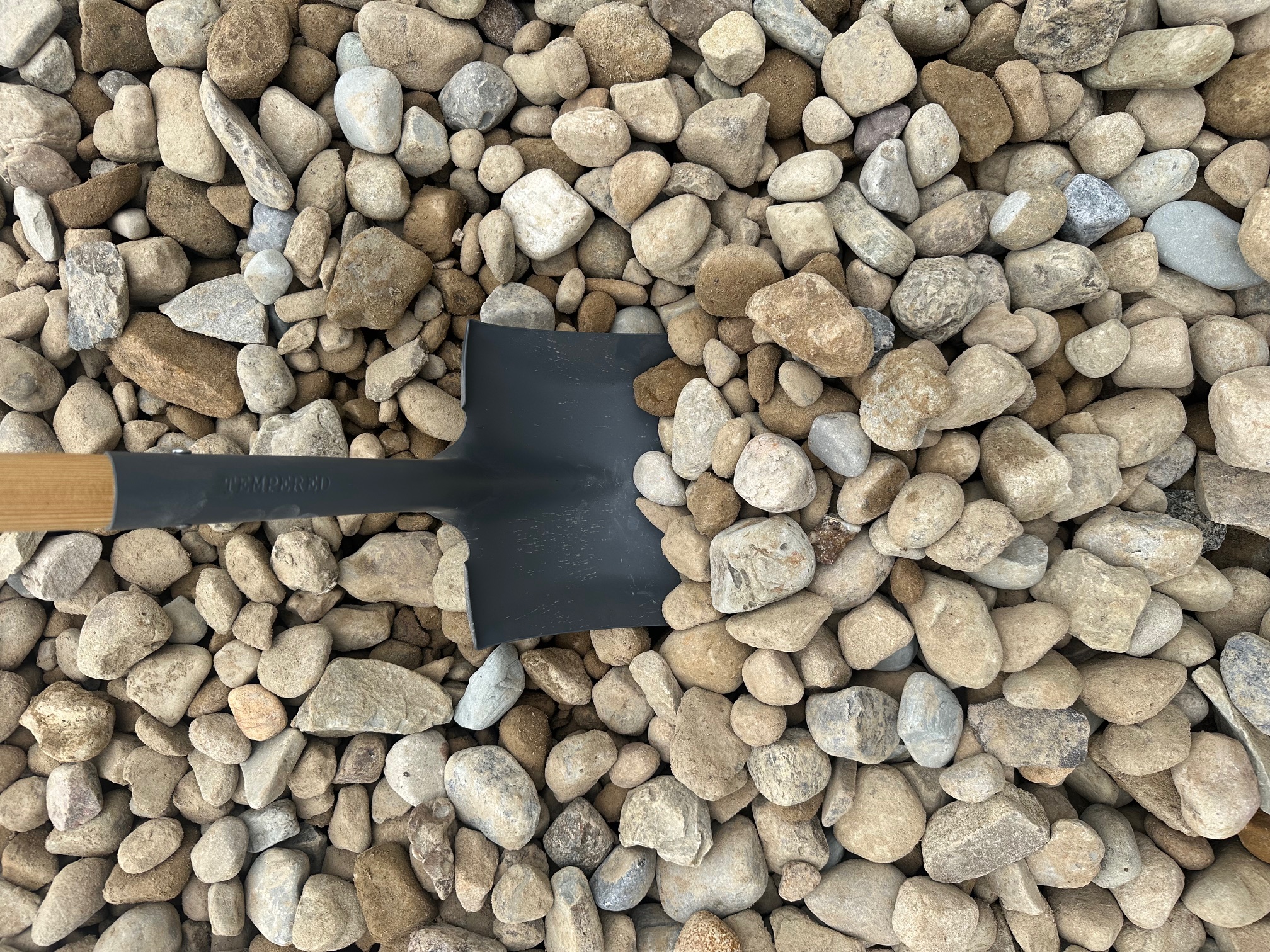
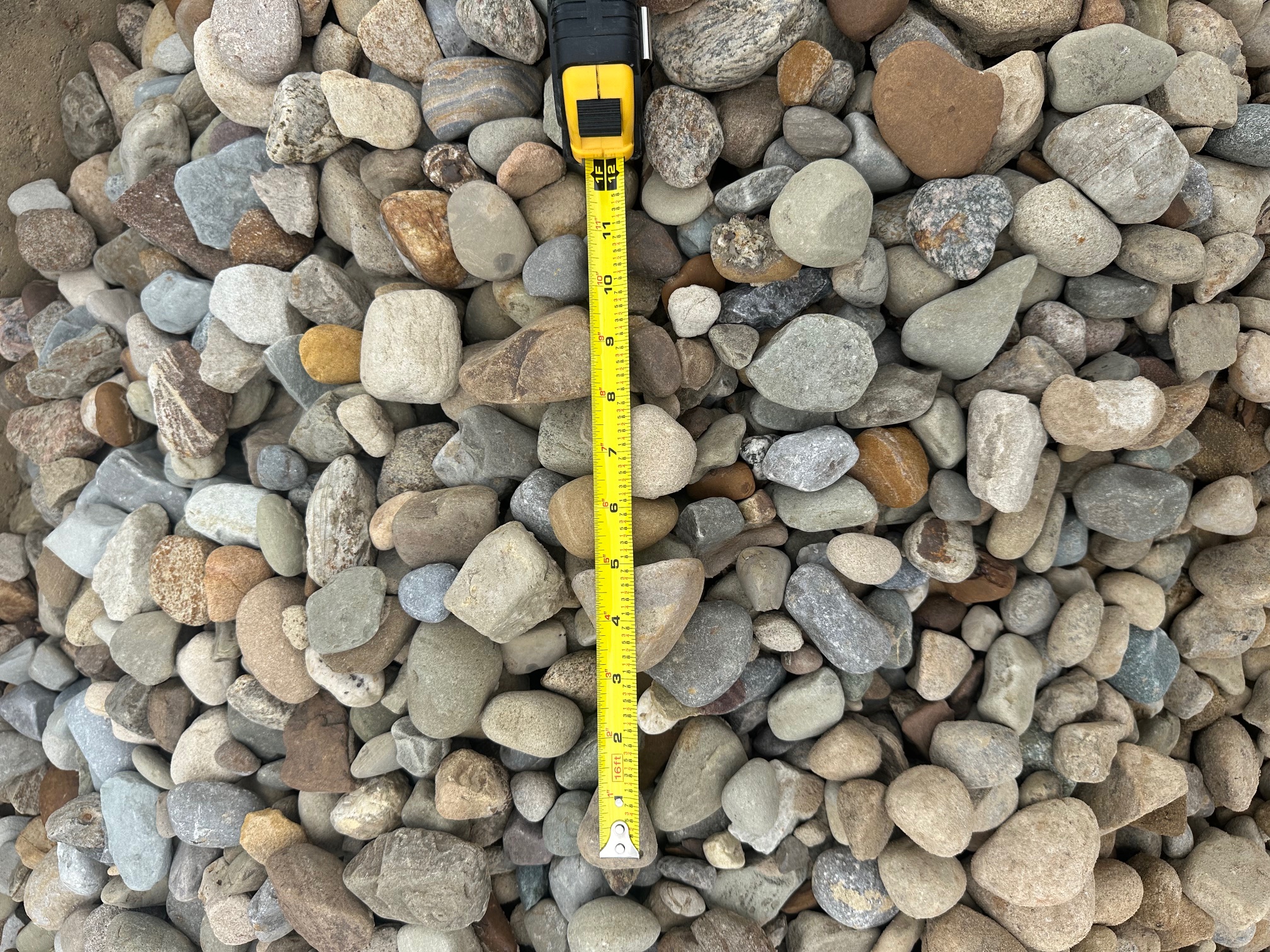
Washed Gravel #34
$57.75
"1 1/2"" to 3"" - Golf ball to Egg Size.
Size
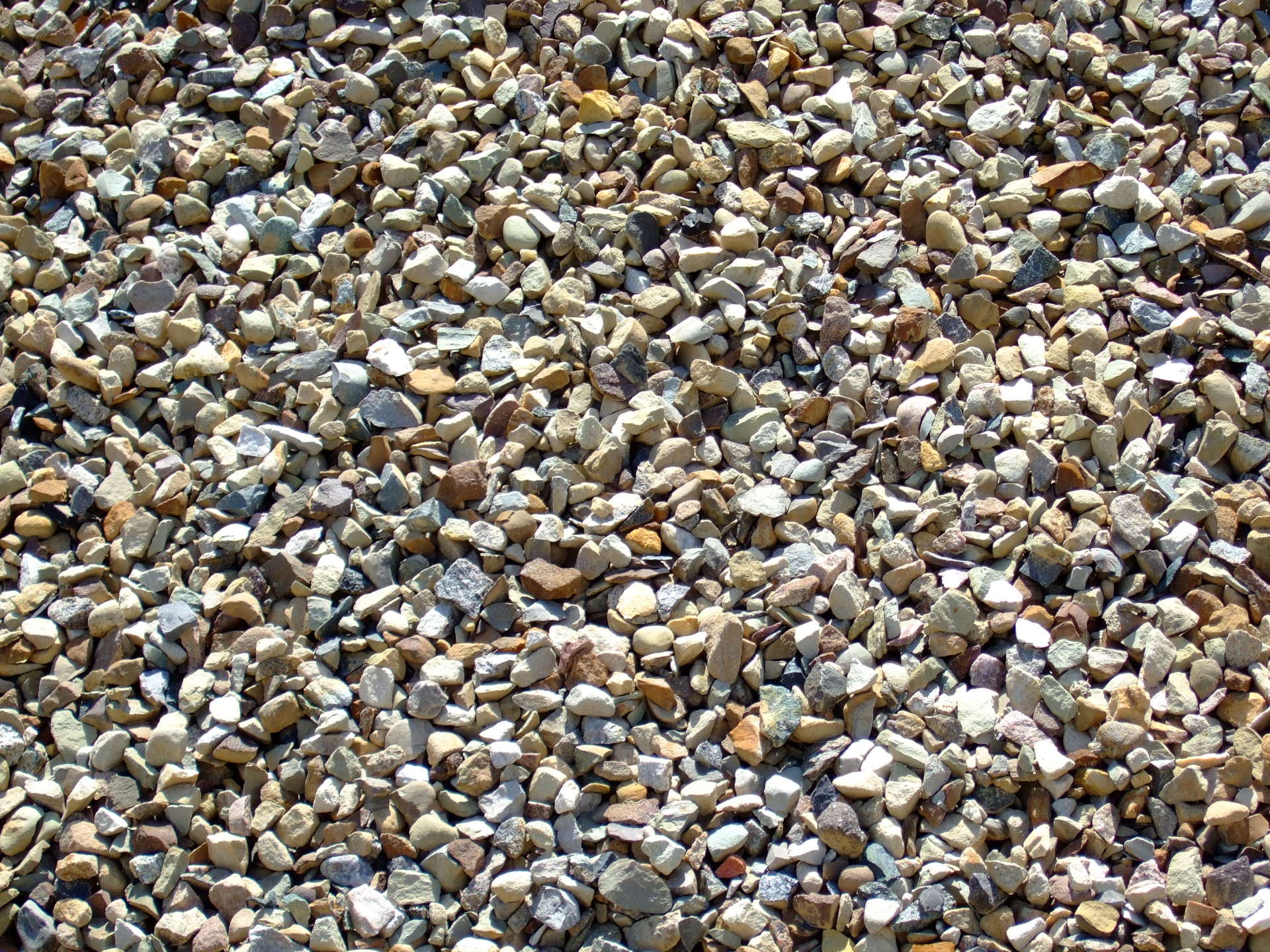
Crushed Gravel #34
$50.75
"1 1/2"" to 2 1/2""
This product is very similar to Washed Gravel #34, but contains some crushed jagged pieces to give a very similar look at a more affordable price.
Uses:
Decorative Ground Cover"
Size
Lucky Stones
$60.50
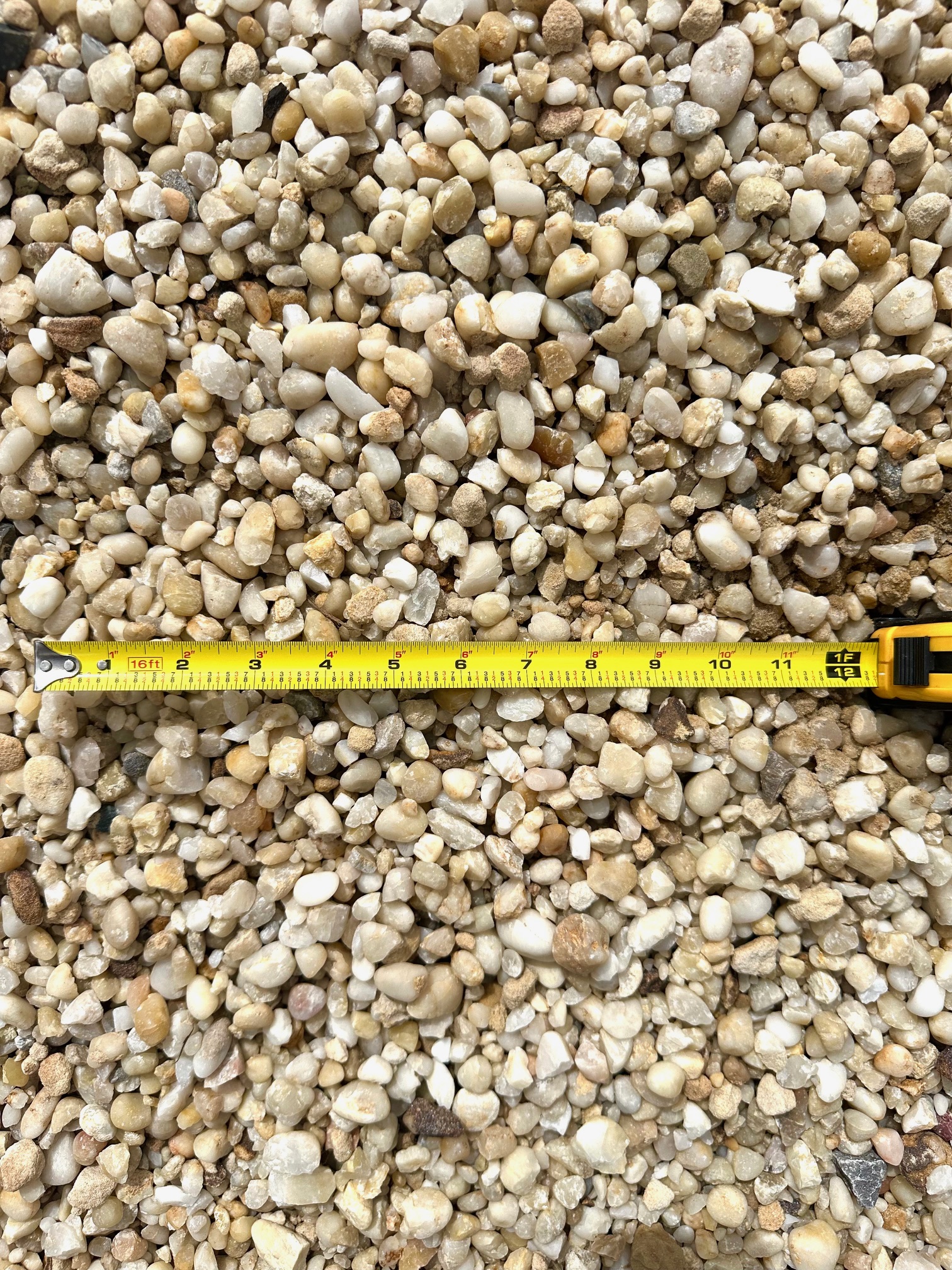
1/2" to 3/4"
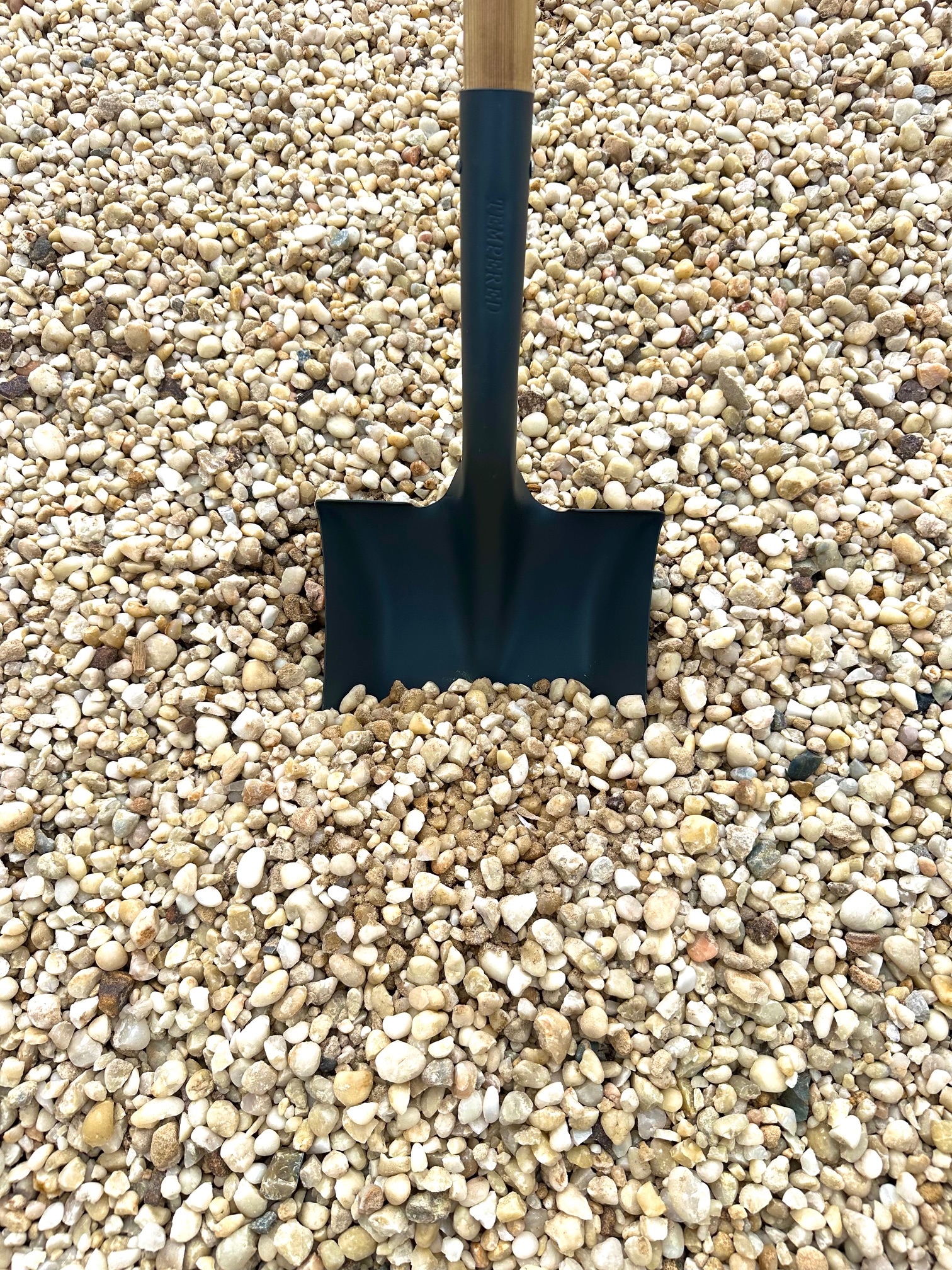
Smooth, round, ivory color stone. Also called Silica Gravel.
Uses:
Decorative ground cover
Size
Glacier Bay Bluestone #57
$74.25
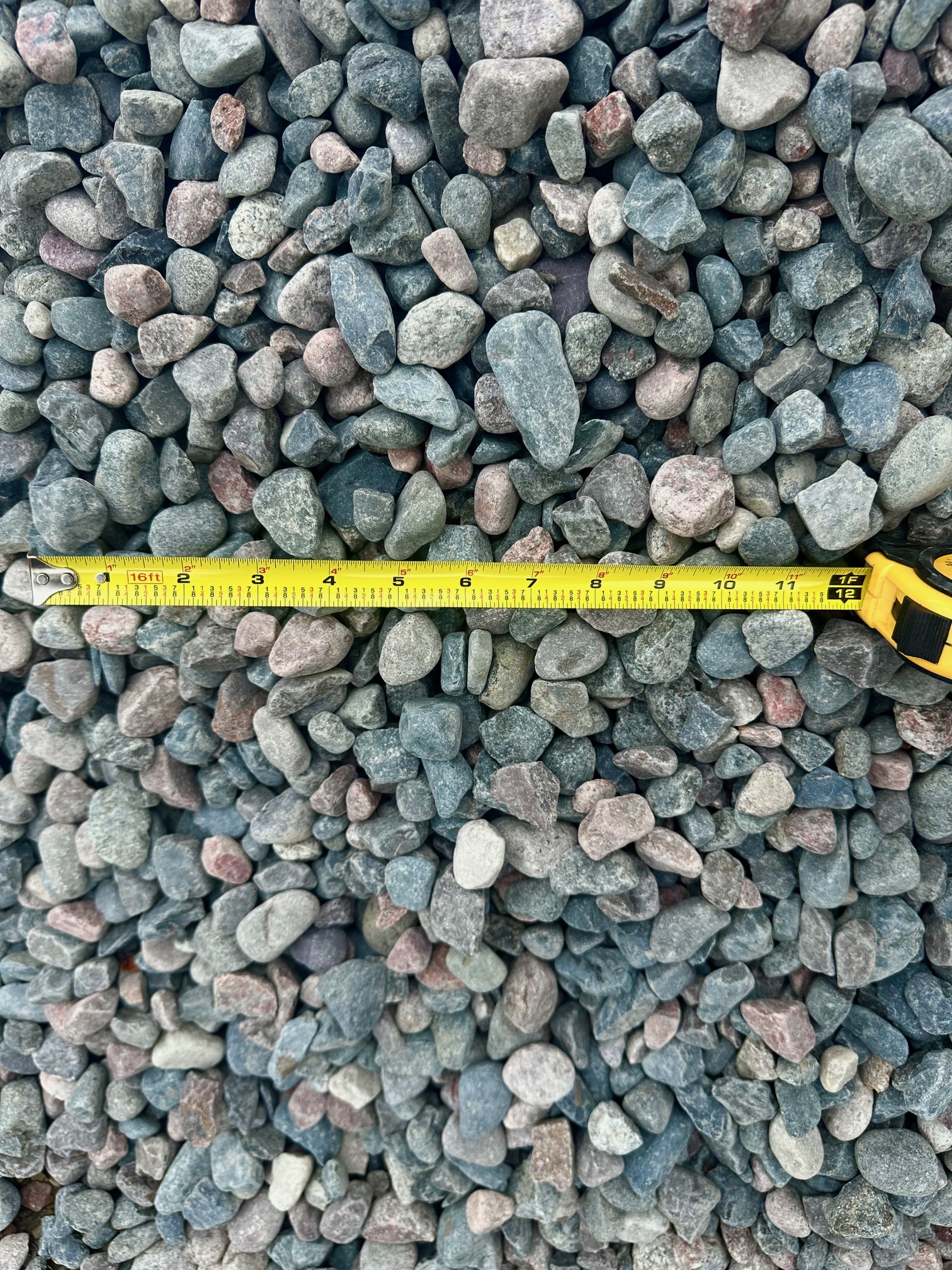
3/4″ to 1 1/2″ - quarter to golf ball size
Smooth, round stones that boast a vibrant color palette, featuring rich hues of blue, pink, and grey. It is commonly used as a decorative alternative to mulch, as well as a covering for dry creek beds. Additionally, it is a popular choice for creating water features or lining pond edges.
Size
Glacier Bay Bluestone #34
$74.25
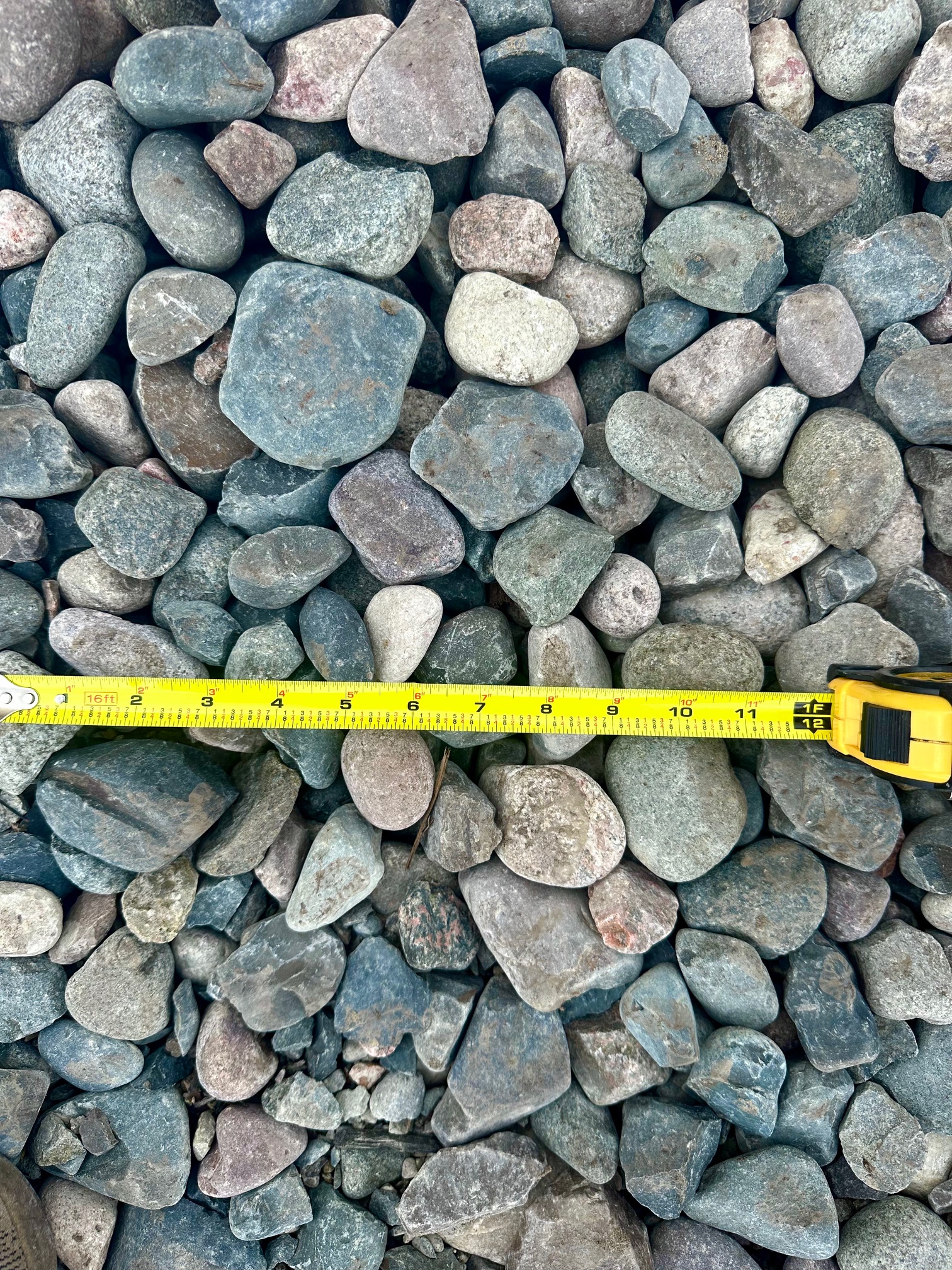
2″ to 4″ - egg to baseball size
Smooth, round stones that boast a vibrant color palette, featuring rich hues of blue, pink, and grey. It is commonly used as a decorative alternative to mulch, as well as a covering for dry creek beds. Additionally, it is a popular choice for creating water features or lining pond edges.
Size
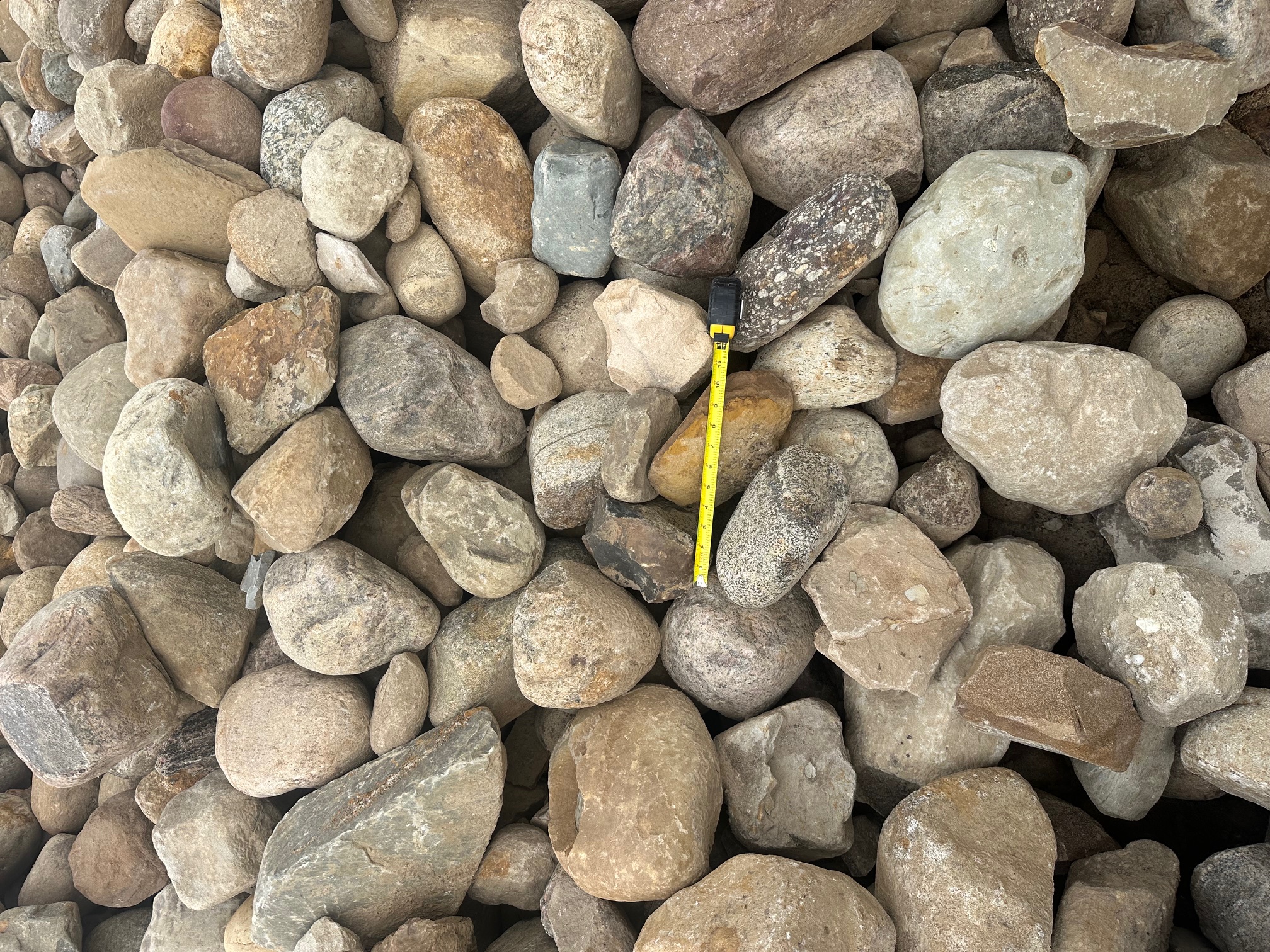
Bulk Boulders - Super Sack
$155.75
6" to 12" - Cantelope to Bastketball size
Smooth, rounded boulders that range in color from brown to tan to grey
Uses:
- Planting Bed boarders
- Decorative stone highlights
- Erosion Control
- Water Features
Size
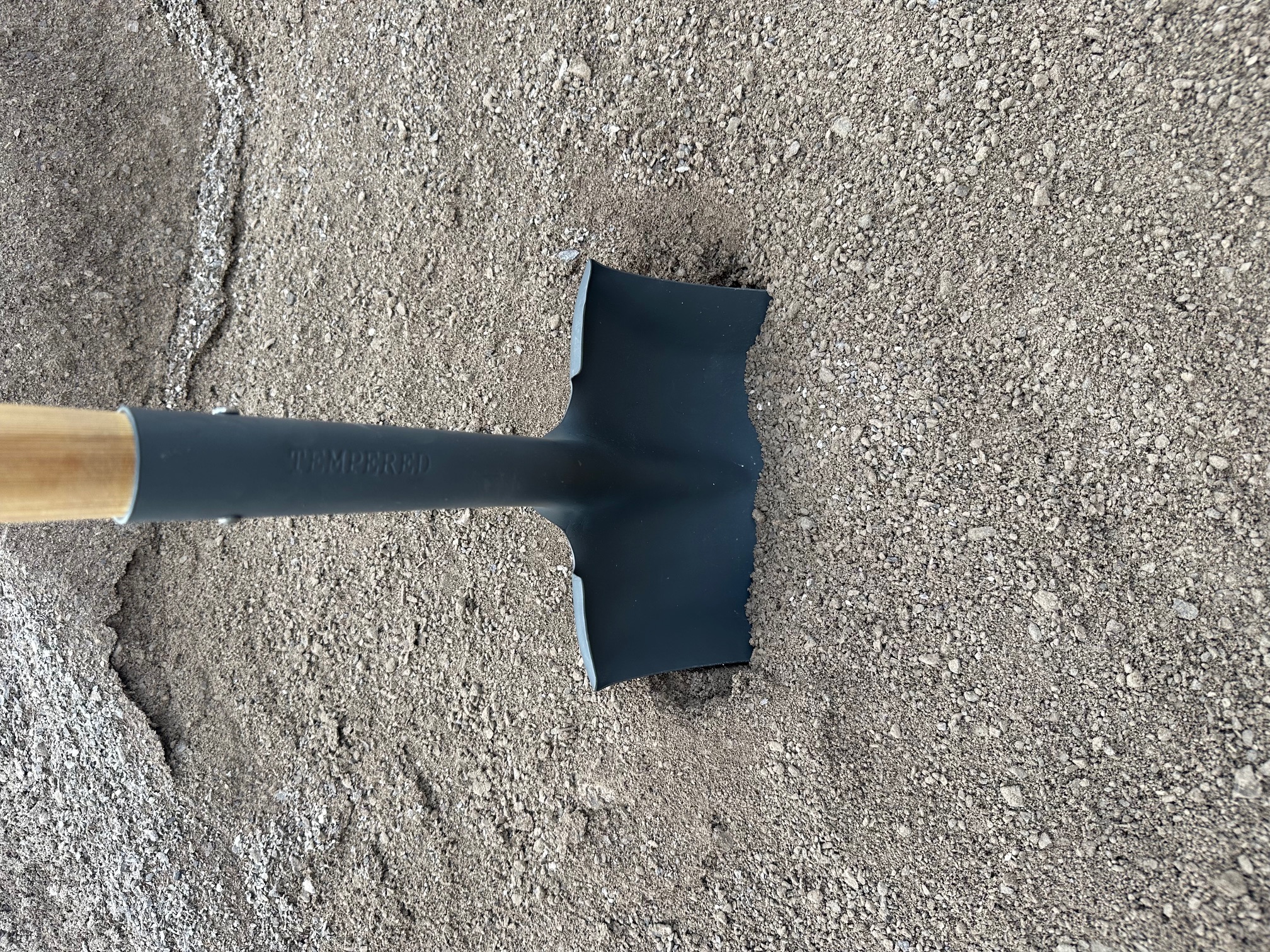
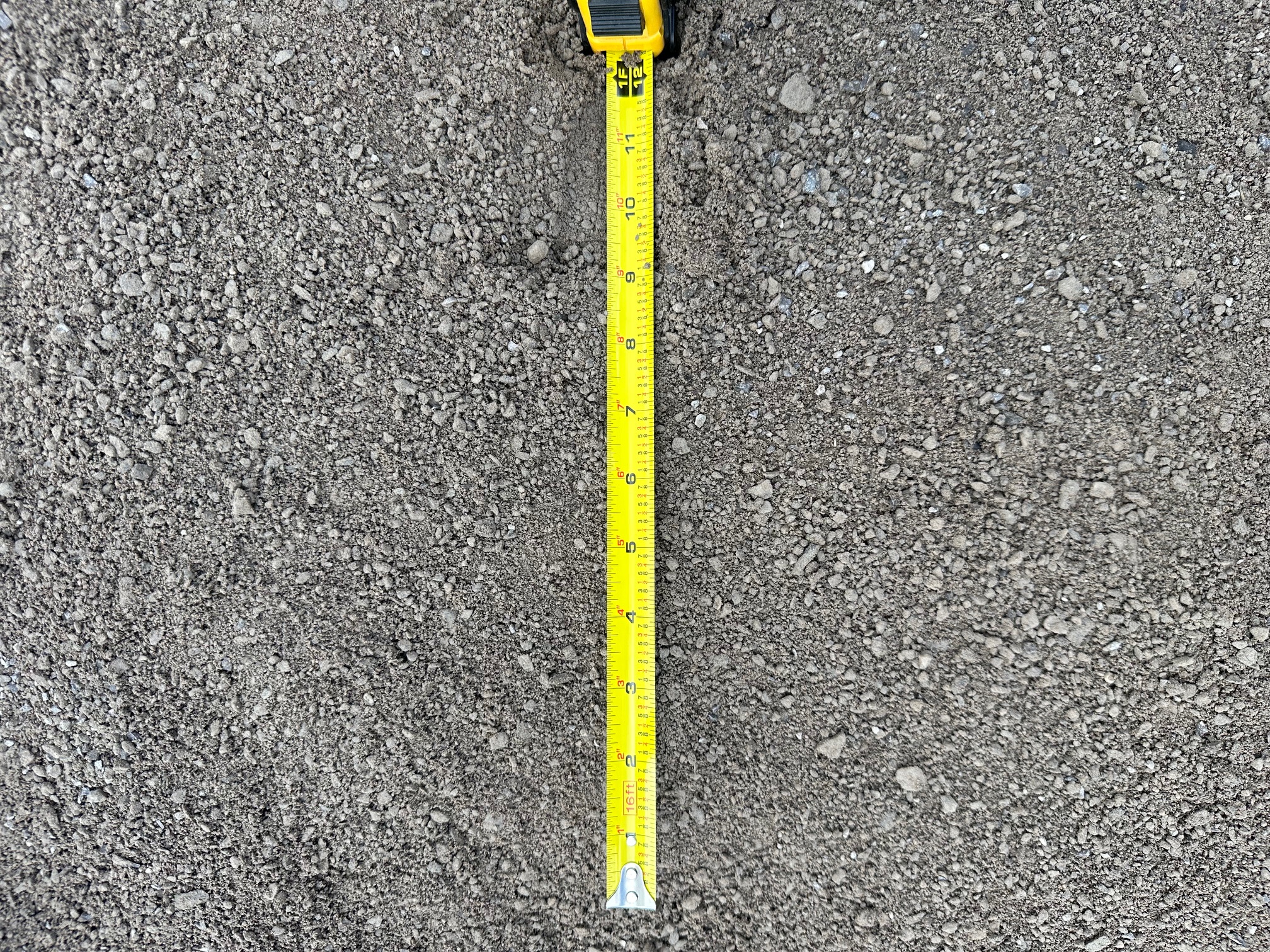
Limestone #10
$38.00
Coarse sand up to 1/4"
Used as a base for paver stones and to fill in spaces between larger size stone for compaction
Size
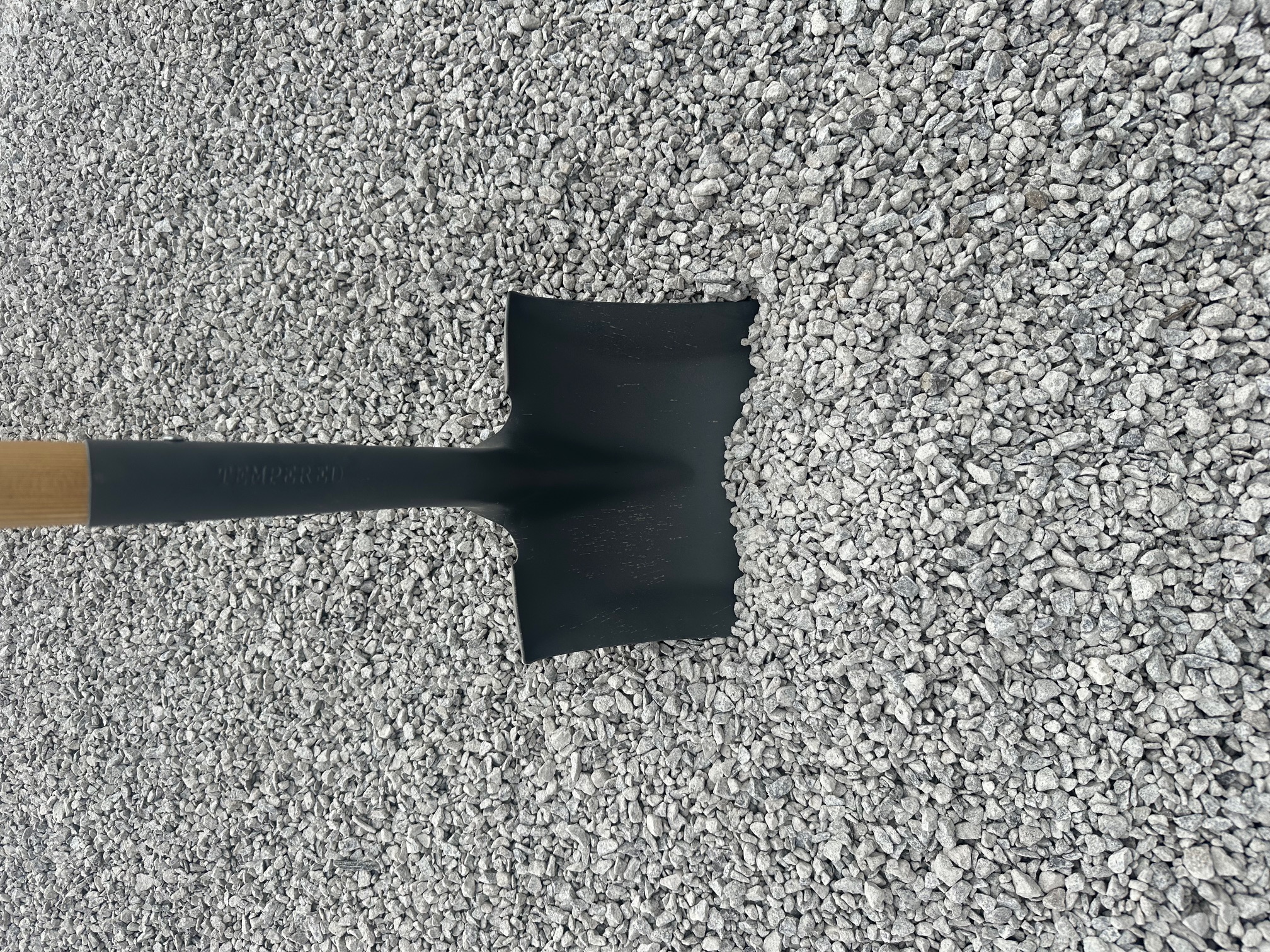
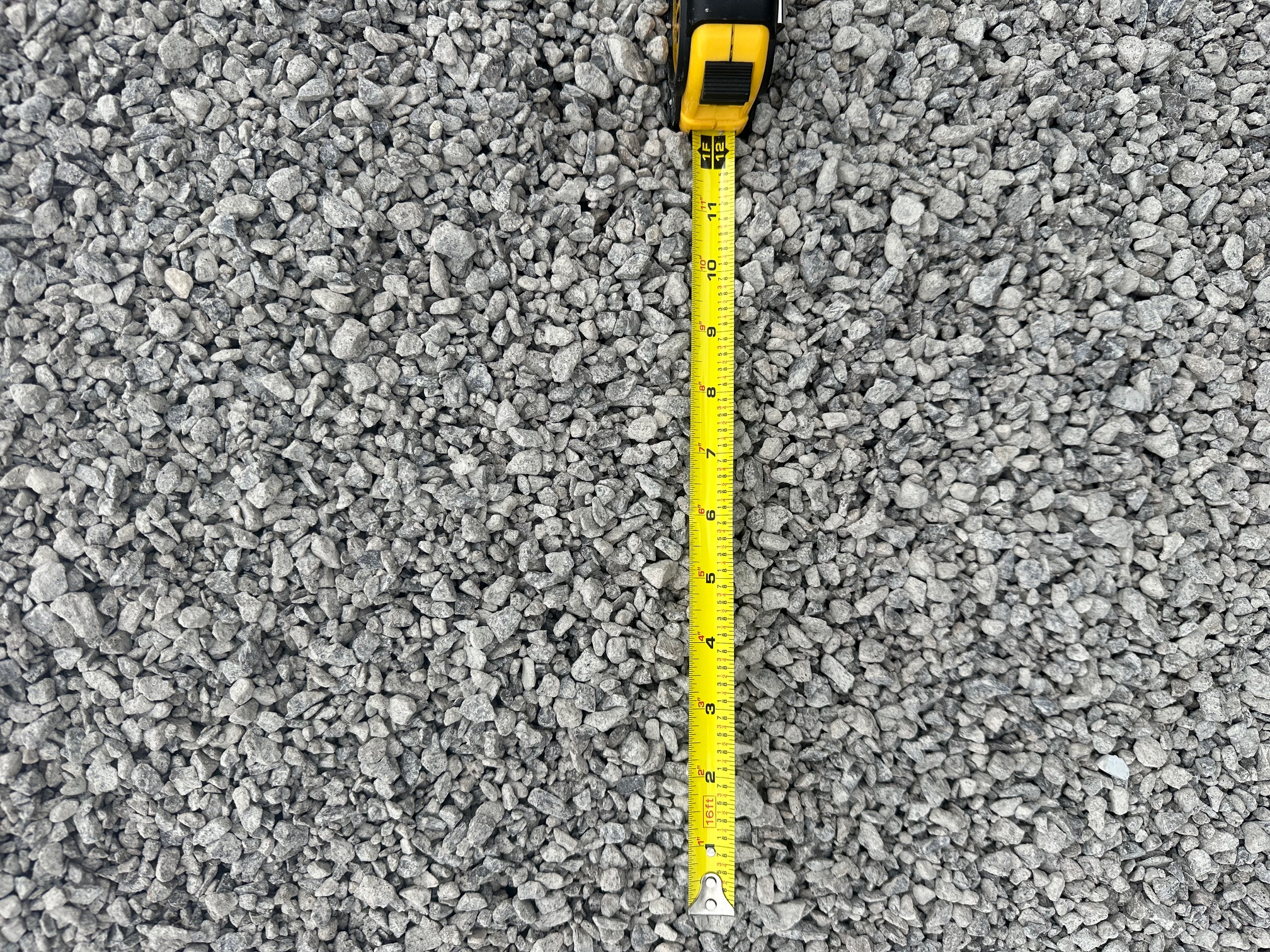
Limestone #8
$44.00
Coarse sand up to 1/4"
Used as a base for paver stones and to fill in spaces between larger size stone for compaction
Size
.jpg)
.jpg)
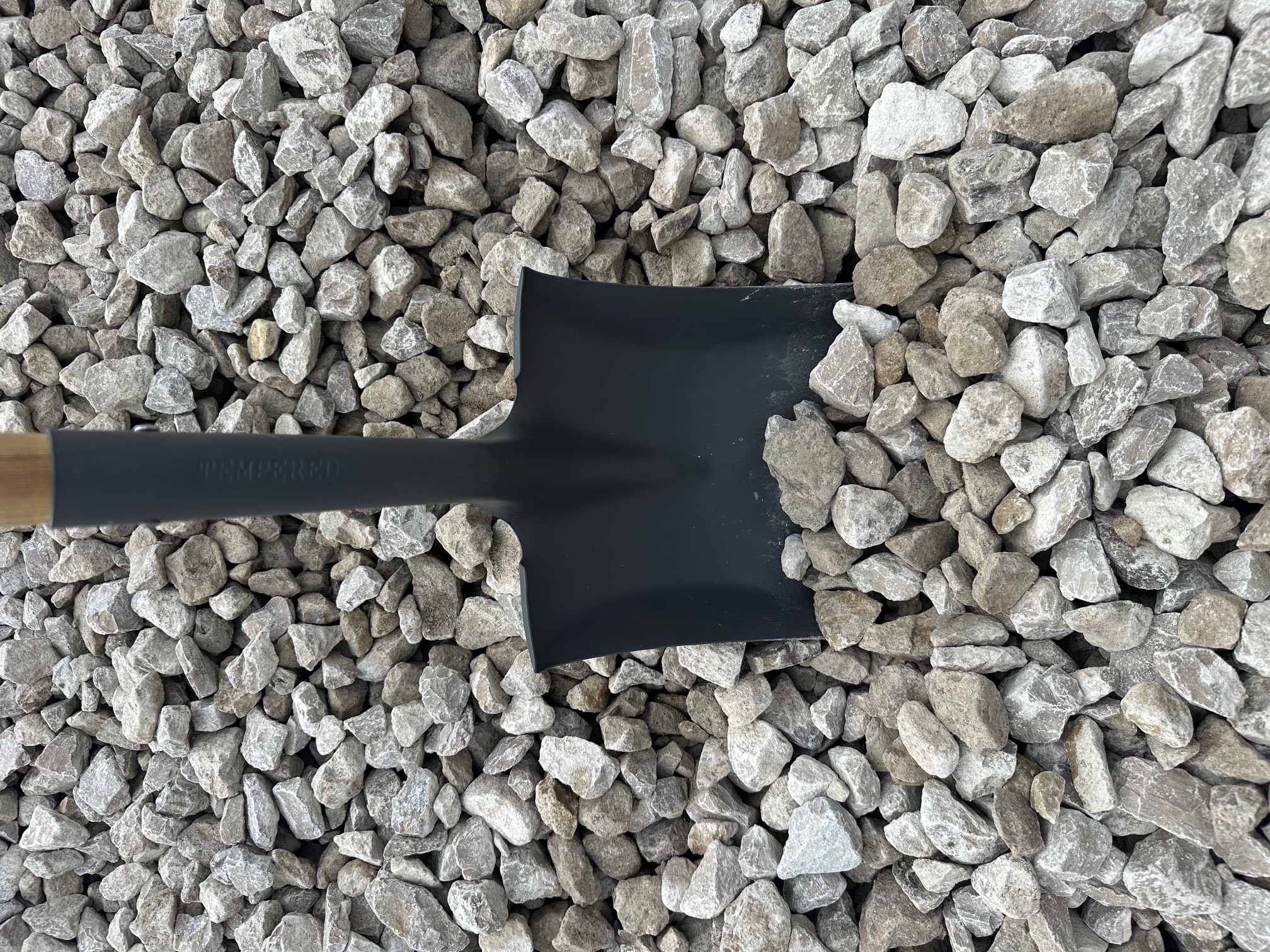
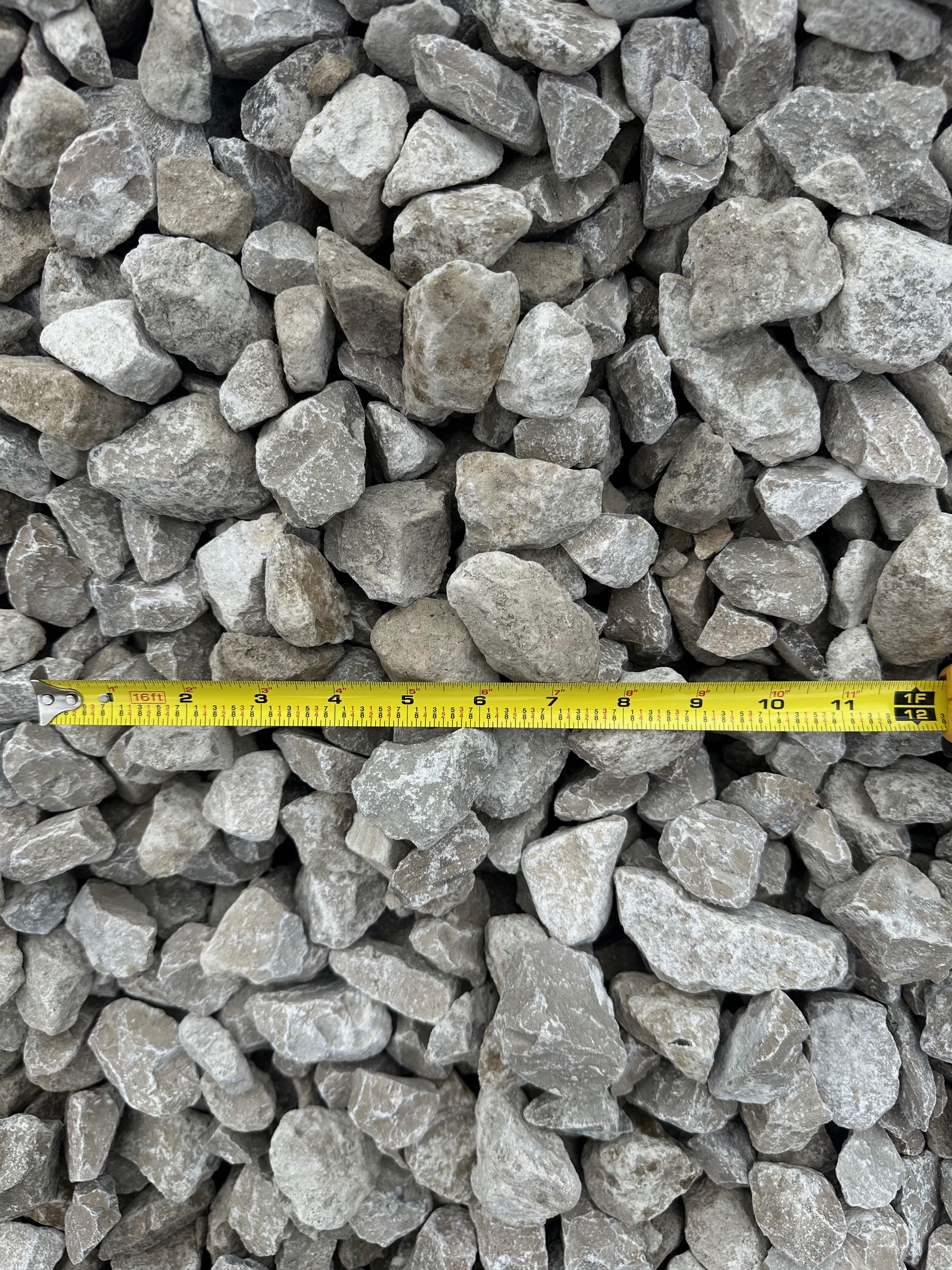
Limestone #57
$42.50
3/4" to 1" in size
Whitish-gray in color with jagged corners and edges. Used as a base for concrete or asphalt, as gravel driveways or parking lots, and under decks (if not visible).
*This is the standard size used for gravel driveways/parking lots*
Size
Limestone #4
$43.75
1" to 2.5" in size
Whitish-gray in color with jagged corners and edges. Used as a base for concrete or asphalt if area is wet/muddy (to be topped with smaller size)
Size

Limestone #1 & #2
$42.50
3" to 5" in size
Whitish-gray in color with jagged corners and edges. Base for concrete or asphalt if area is extremely wet/muddy (to be topped with smaller size). Also used for erosion control on sloped areas.
Size
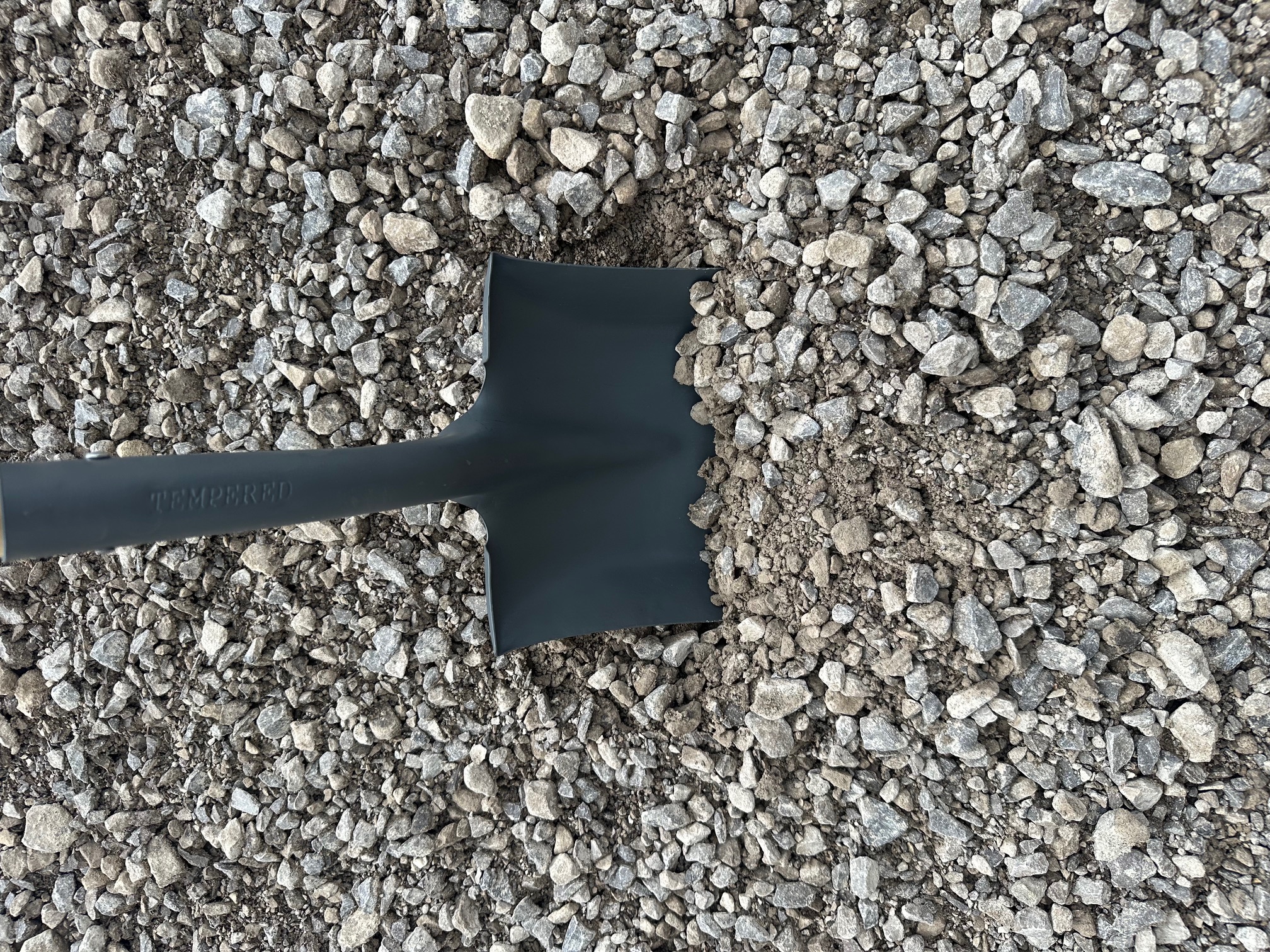
Limestone #411
$38.50
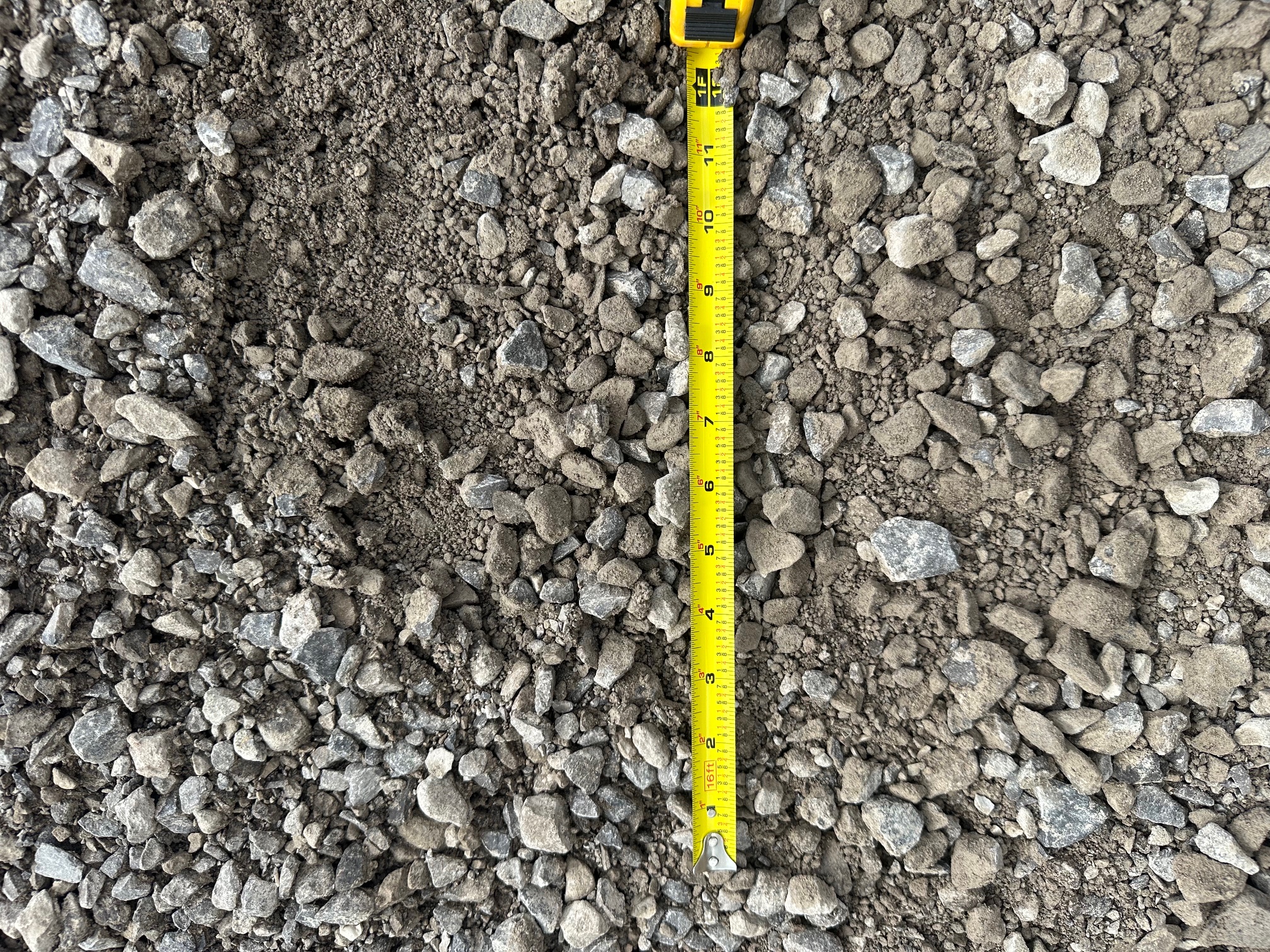
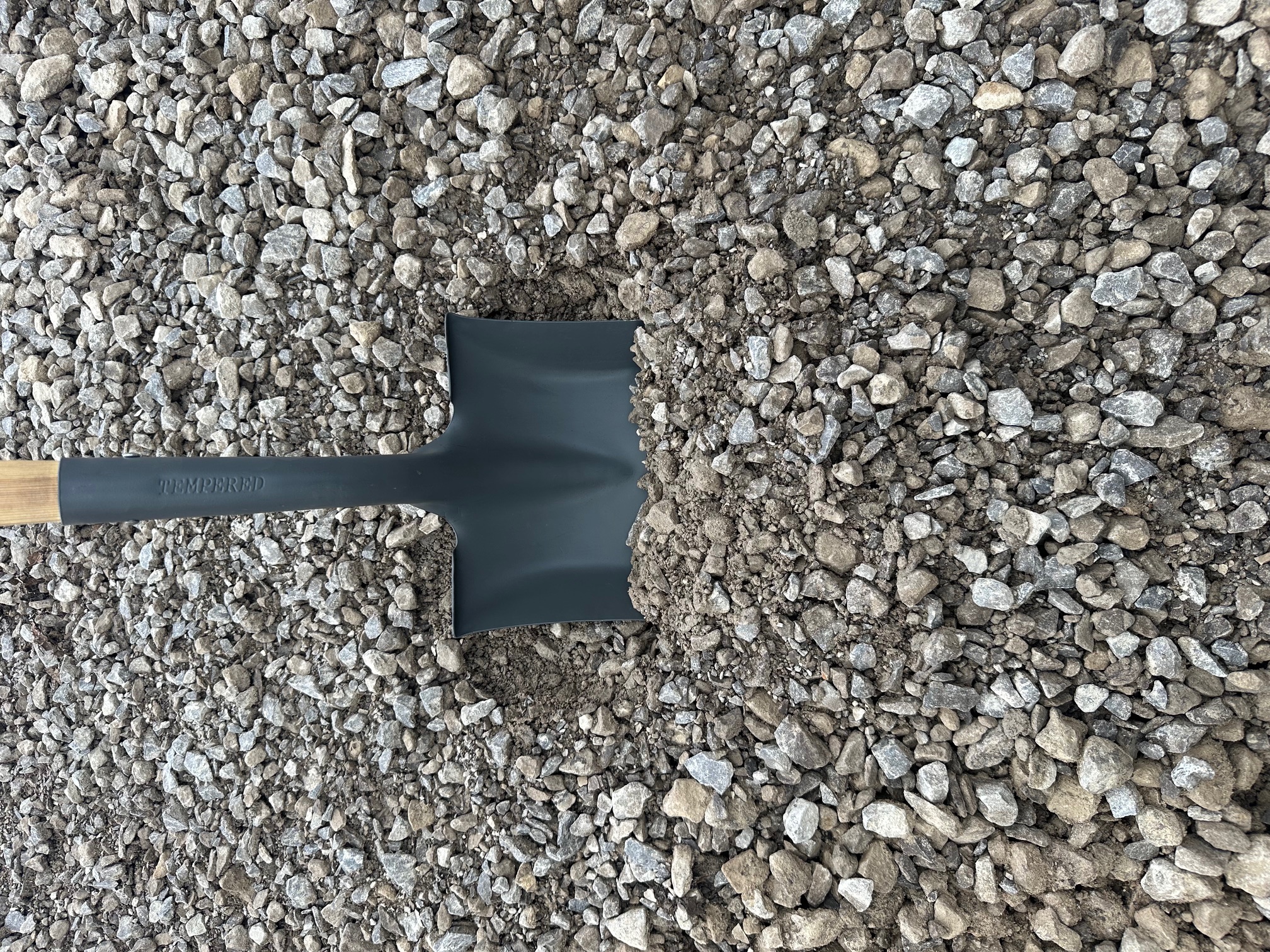
Mixture of #57 & #10
Compacts very well. It is an excellent base for paver stones, bricks, and retaining walls, and for filling smaller holes
Size
Limestone #304
$36.50
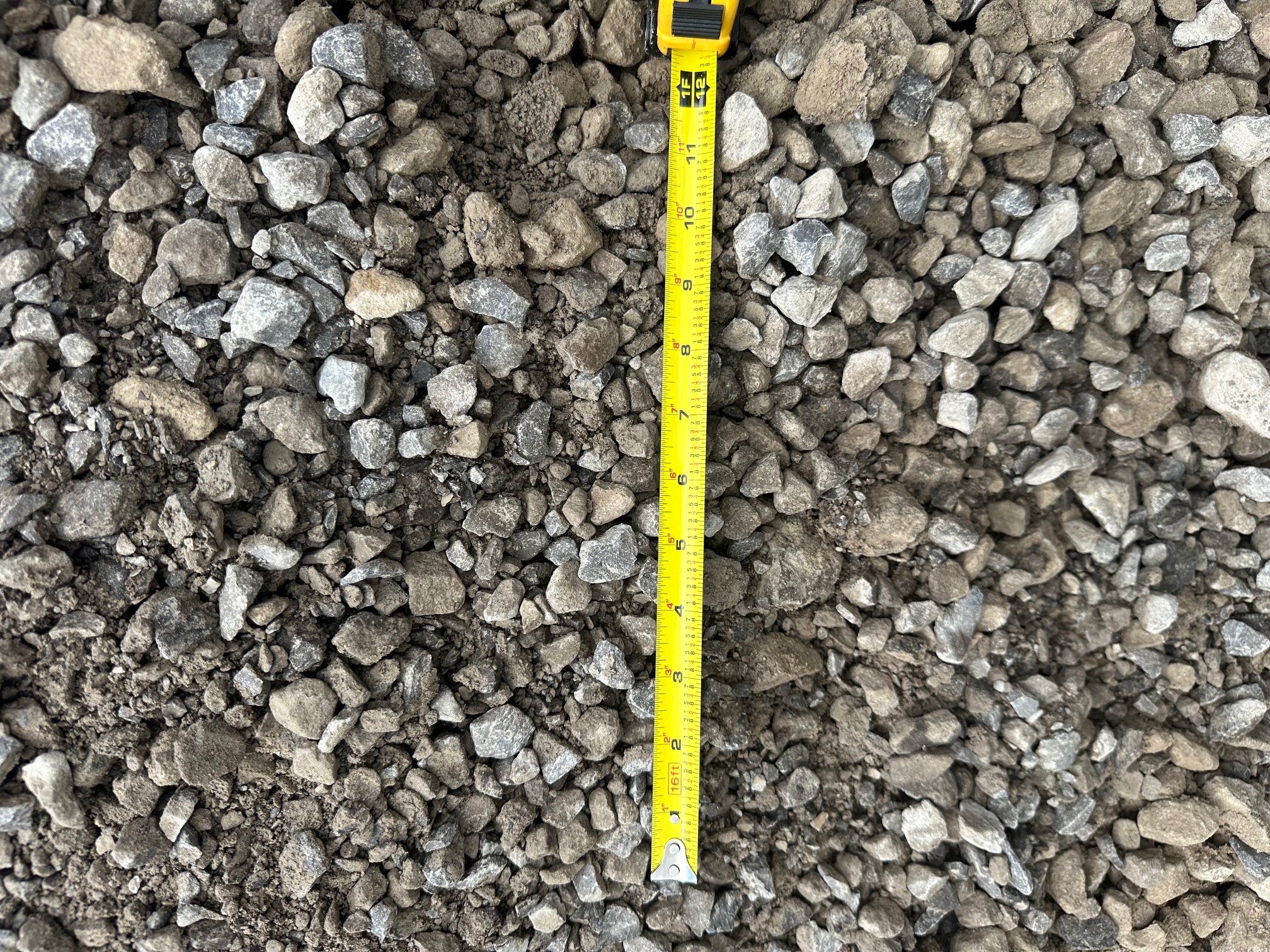
Mixture of #4 & #10
Excellent base for muddy areas and filling holes over 6″ deep. Not to be used as a paver base unless top dressed as it will not compact to completely smooth surface
Size
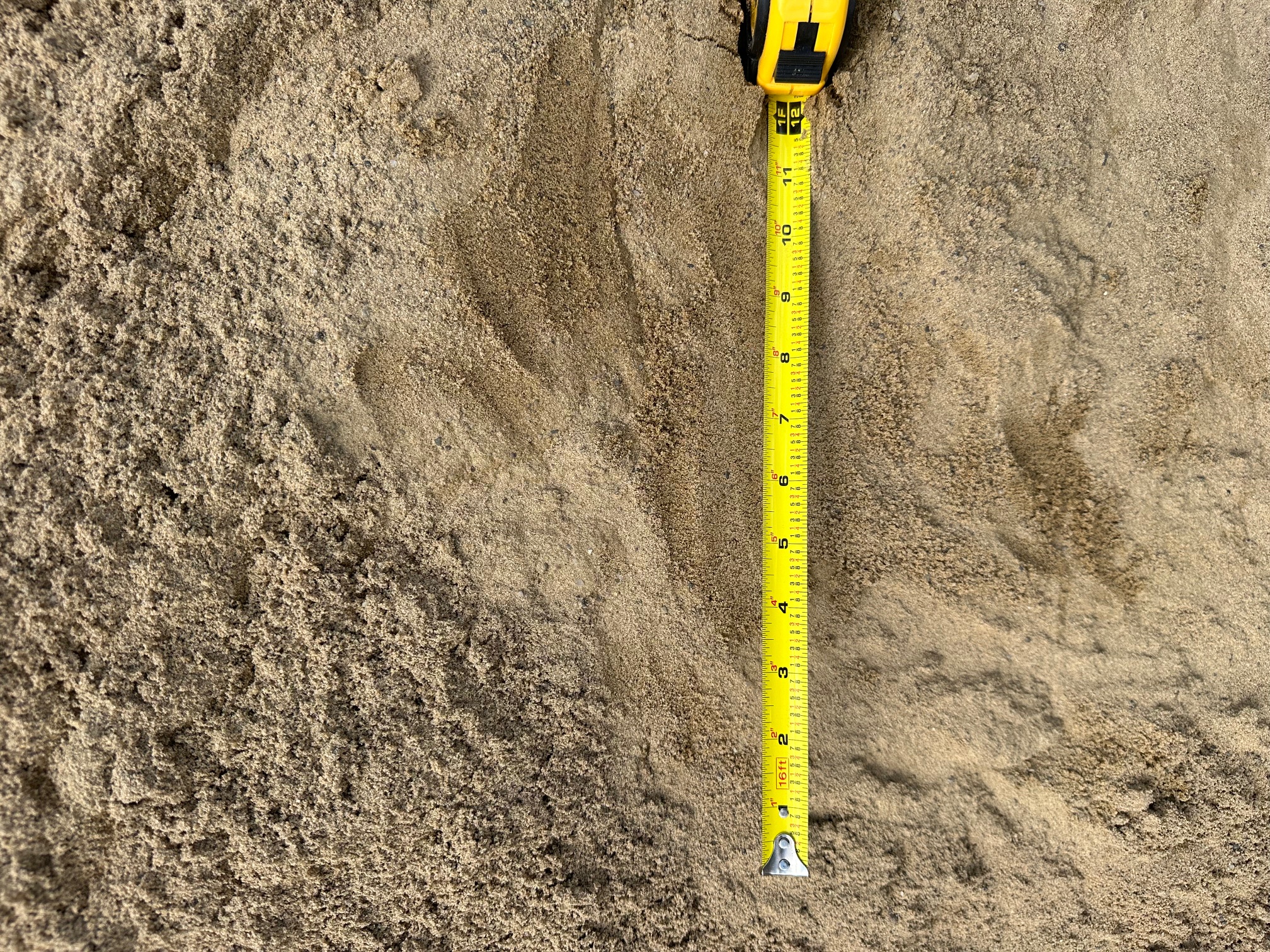
Mason Sand
$34.00
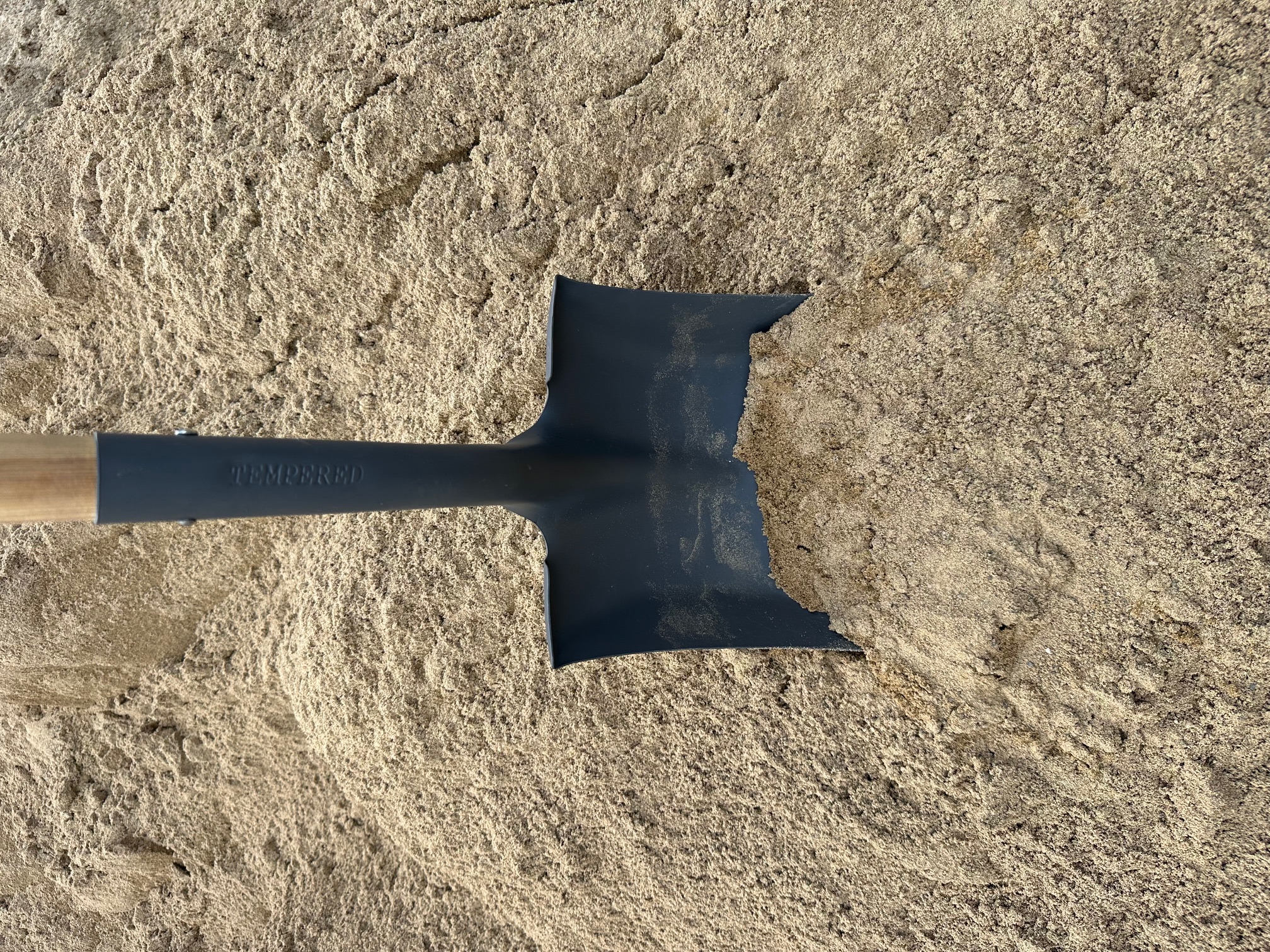
Washed sand that contains no pebbles or stones. Tan colored and fairly fine textured. Also called pool sand or play sand.
Uses
- Under pool liners
- In sandboxes or play areas
- Under paving stones or bricks
Size
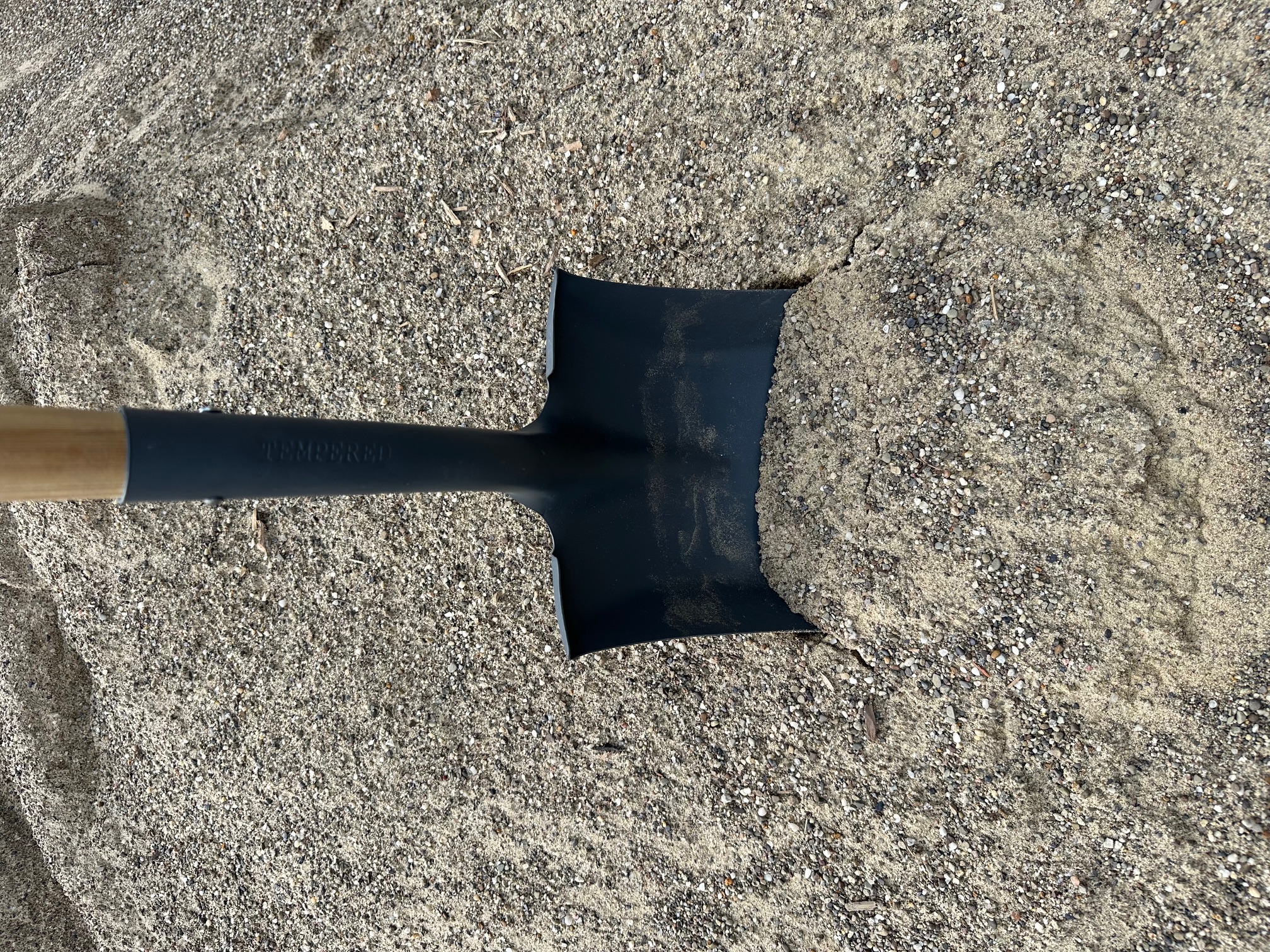
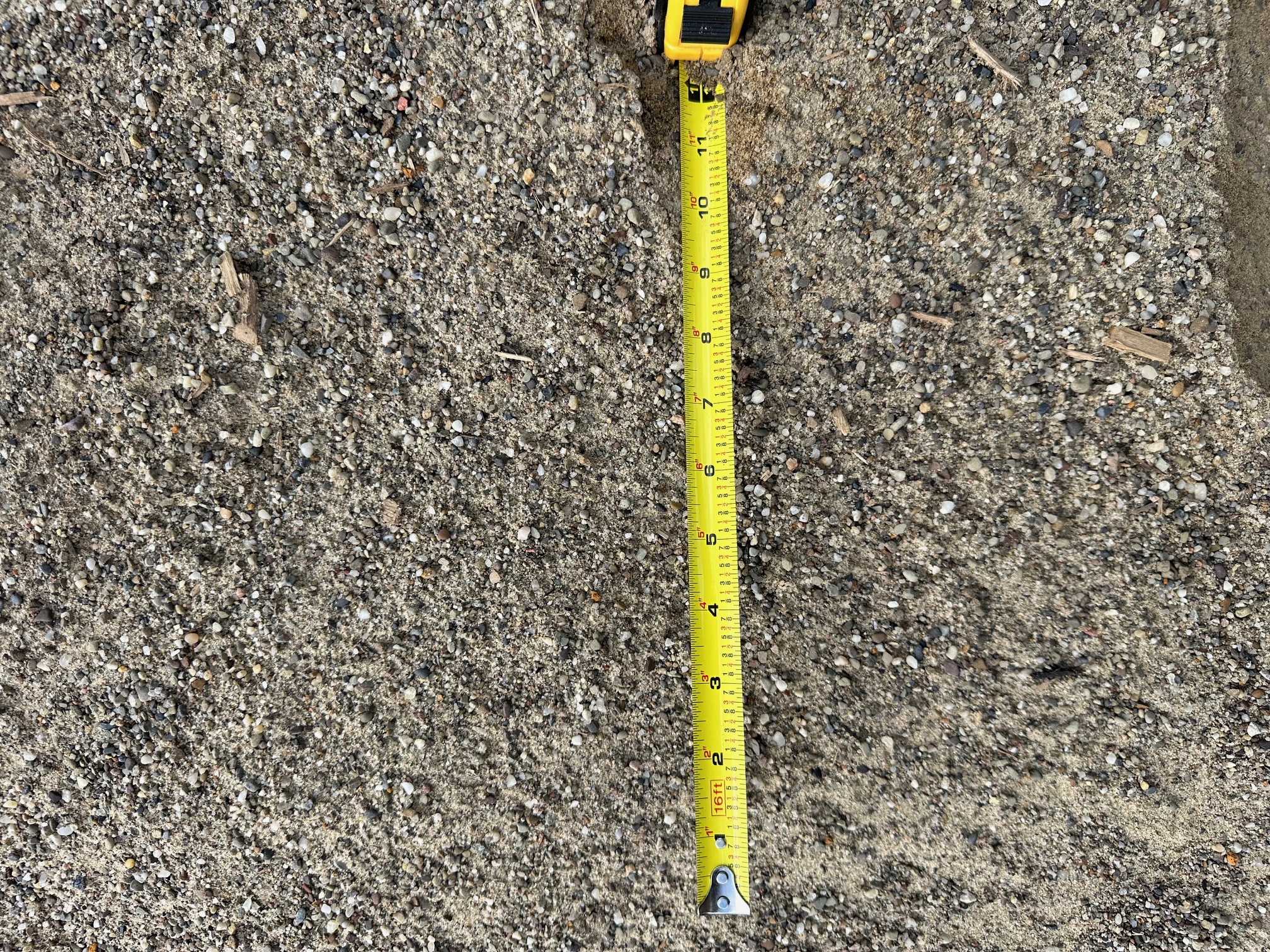
Concrete Sand
$32.00
Washed sand with small stone/pebbles in it. It is dark brown to gray in color with a coarser texture.
Uses
- Mixing into soil to break up clay
- Mixing concrete
- Backfilling underground utility work
Size
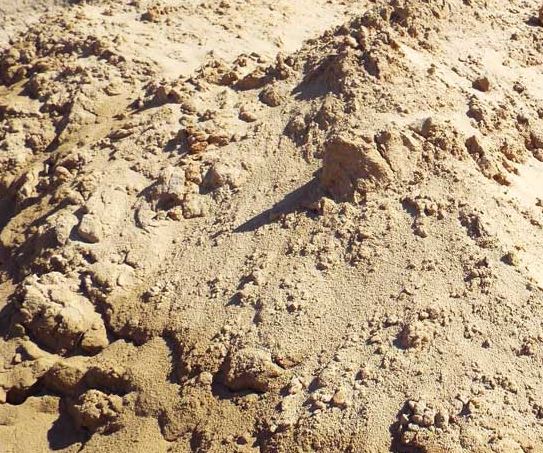
Fill Sand
$28.00
A natural blend of dirt, clay, and sand that has not been processed. This material used primarily for fill. It has not been processed so it can be fairly clumpy. There is no organic matter added to it and it compacts very well. Fill sand can be worked by hand, but it is not easy. It should be top-dressed with a processed soil before planting.
Uses
- Backfilling holes or trenches over 12” deep.
- Filling holes where good compaction is needed, such as where something will be built over the filled area.
- Cost-effective alternative for filling areas by hand too deep to use processed soils.
Size

Ball Diamond Clay
$63.00
Clay and fine sand blended together - A specific mix designed for baseball diamonds. The material has been shredded, pulverized and screened through a 1” screen. The product compacts very well.
Uses
- Resurfacing baseball diamonds or bocci ball courts
- Filling horse stalls and paddocks
- Anywhere a smooth, solid surface is needed
Size
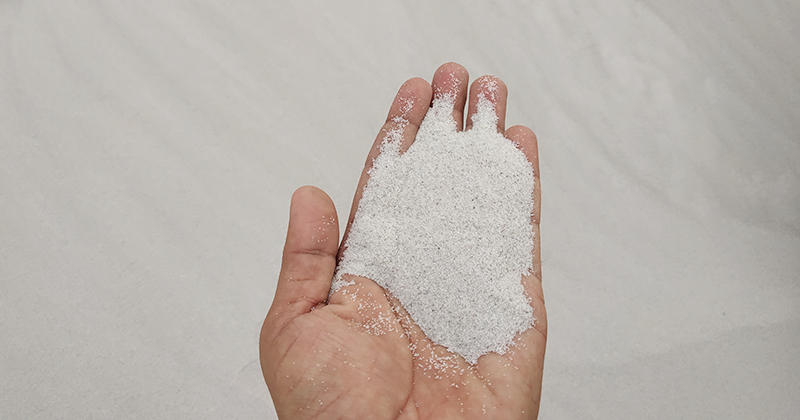
Silica Sand
$77.75
Very clean washed sand that is white colored with a very fine texture. Sold by the ton or in 50 pound bags.
Uses
- Mixing in stucco
- Golf course sand traps